






The Power of Color Psychology in Kids' Room Design: Choosing the Right Palette
Designing a kid's room is not an easy task, and choosing the right colour palette is a crucial part of the process. Colours have a significant impact on mood and behaviour, and it is essential to create a space that promotes positivity, creativity, and relaxation. Colour psychology can help you choose the perfect palette for your child's room. Keep reading to learn more about the power of colour psychology in kids' room design and how to choose the right colours to create a space that supports your child's growth and development.
Blues and Greens: Calming and Relaxing
Blue and green hues are known for their calming and relaxing properties. These colours can help reduce anxiety, lower blood pressure, and induce a sense of calm in children. These shades work well in bedrooms and playrooms where children spend most of their time. Light blue and green shades can promote concentration, while darker shades can provide a cosy and nurturing environment. You can accessorise the space with natural elements such as plants or wooden furniture to complement blues and greens.
Yellow: Stimulating and Creative
Yellow is considered to be the colour of sunshine and happiness. It is a stimulating colour that can promote creativity, energy, and optimism in children. Yellow can be used in a playroom or study area where children engage in creative activities. Light shades of yellow can induce a sense of calm, while brighter shades can add a pop of colour and excitement to the space. Yellow accents such as curtains or pillows can complement the room if you do not want to use it as the dominant colour.
Reds and Oranges: Energising and Exciting
Red and orange are bold and energetic colours that can create a lively and stimulating environment for children. These shades can be used in a playroom or activity area where kids engage in physical activities or games. These colours can increase heart rate, stimulate appetite, and evoke excitement. Use these colours selectively as they can be overwhelming and lead to restlessness or irritability if used too much.
Purples: Calming and Mysterious
Purple is a unique and versatile colour that can create a sense of mystery and tranquillity. Light hues can provide a soft and calming environment, while deep shades can promote luxury and elegance. Purple works well in a bedroom where children can wind down and relax. Additionally, pastel shades can provide a serene and dreamy feel to the space, making it perfect for nap time or quiet play.
Neutrals: Versatile and Classic
Neutral colours such as white, beige, grey, or brown are timeless and versatile. These colours create a calm and clean look, making the room feel organised and spacious. Neutral shades work well with any decor and accessories. These tones provide balance and complement bright or bold colours. In case you want to change the child's room's theme, neutrals are a perfect base colour to work with.
Conclusion
Choosing the right colour palette for your child's room can have a significant impact on their mood, behaviour, and overall well-being. .
Understanding colour psychology can help you create a space that promotes positivity, creativity, and restfulness. Keep in mind that colour perceptions can change from one age group to another. What works with a toddler may not work with an older child, so it is important to consider the child's age, personality, and preferences. Ultimately, designing a child's room should be a fun and exciting process that involves both the child and parent in creating a space that reflects their personality and style.
Featured articles
Check out some of the best features and news from Designing Buildings as well as key stories from around the web.
Bridging the gap between clients and contractors

Concerns remain around contractor quality, capability, and delivery.
Construction Management, 10 June.
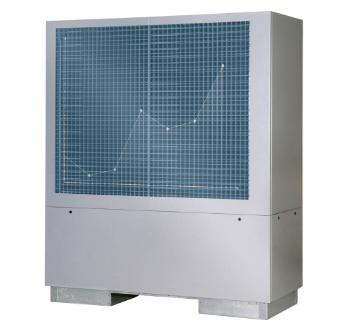
Heat pumps beat boilers in new home tests.
Building Safety Act implementation in Wales

CIAT to host industry panel on 26 June.

New and updated CLC building safety guidance.
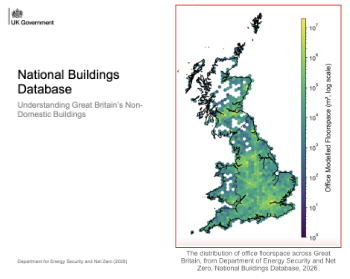
New UK National Buildings Database.
Building Safety Wiki Interviews

Chief executive of the British Woodworking Federation.
Planning condition discharge in England and Wales

A brief explanation from a building compliance expert, with further links.
Overheating guidance and tools for building designers

Guidance for dealing with element of building fabric control that have increasing importance.
Shading for housing, a design guide

From the Good Homes Alliance and British Blind and Shutter Association.
UK Standard Skills Classification (SSC)

A shared framework for describing skills needs.
Social media ban consultation comes to close

CIOB urges UK Government to consider social media’s role in careers guidance in ban debate.